Government Resources | US Census – Maryland Quick Facts:
View reports
Reports and Data
US Census Data
View reportsAdditional Government & Public Data Sites with Useful Demographics
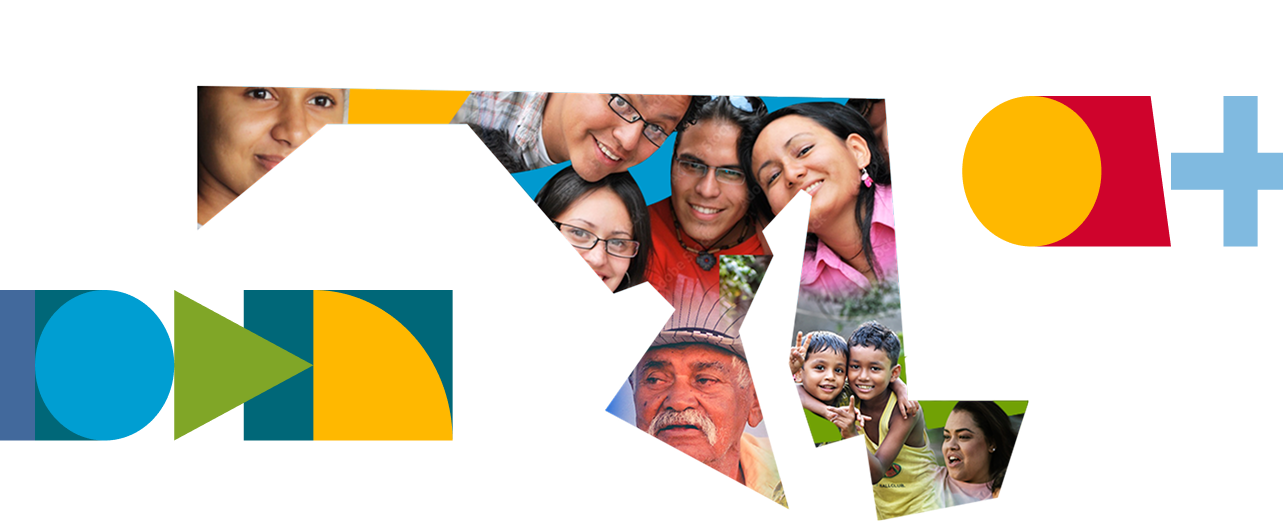
+606,000 Latinos in Maryland
HDPulse (NIH/NIHMD)
View reportsMontgomery County Planning Hispanic Profile
View reportsDemographics
- Population Growth: Latinos make up 12% of Maryland’s population, with the largest concentrations in Montgomery and Prince George’s counties where Latinos represent 21% of the population. (US Census, 2020).
- Latine-owned Small Businesses: Over 58,000 Hispanic-owned businesses operate in Maryland, contributing to job creation and innovation. Nationally, Latine-owned businesses grow faster than White-owned businesses (Latino Donor Collaborative).
- Educational Attainment: 23.3% of Latine residents hold a bachelor’s degree or higher, compared to 46.3% of White residents (Maryland DLLR). The graduation rate for Hispanic students was 84.49% in 2023, showing improvement from 2022.
- Economic Contributions: Latine workers, especially youth, play a key role across industries. The median age of Latinos in Maryland is 28.3 years, indicating a youthful workforce (US Population).
Maryland’s Latine community plays a vital role in the state’s economic framework through substantial tax contributions and active participation in the labor force. Key insights include:
In 2017, undocumented Latine immigrants contributed $373.9 million in state and local taxes and $1.1 billion in federal taxes (Maryland Comptroller’s Office).
Latine immigrants represent 16.7% of Maryland’s population and 21.1% of its workforce, with a notable presence in construction (Maryland Comptroller’s Office, Pew Research Center).
Latinos make up 12% of the population, with a median age of 28.3 years, younger than the statewide median of 37.3 years (Maryland DLLR).
These insights underscore the vital role of Maryland’s Latine community in driving economic growth, entrepreneurship, and contributing to the state’s demographic dynamism.
Community partners
MLU acts as a knowledgeable and experienced community partner for many private and public organizations who want to learn more, reach out and/or serve the Latine community in Maryland. Some examples include:
PrePárate, in partnership with Johns Hopkins University, focuses on HIV prevention and education within Maryland’s Latine community. The program delivers culturally relevant workshops on HIV prevention methods, such as PrEP, safe practices, and regular testing.
It works to reduce stigma through targeted messaging and peer support, connects individuals to testing and treatment services, and trains Community Health Workers (CHWs) to advocate for HIV prevention within their communities.
The Latino Health Equity Alliance (LHEA) is a collaboration led by MLU to address health disparities affecting the Latine community in Maryland. LHEA advocates for equitable healthcare access, working with policymakers and local leaders to ensure culturally competent care.
The initiative focuses on critical health issues such as chronic conditions, mental health, and maternal health, and shares research to inform policy decisions. Through community engagement, LHEA amplifies Latine voices in health equity discussions, striving for systemic change.
LHEA invites organizations, advocates, and community members to join our collaborative efforts to promote health equity and create meaningful, lasting impact for Maryland’s Latine community.
The Quiero Saber HIV Program, an initiative of MLU and partners like Johns Hopkins, aims to empower Maryland’s Latine community with the knowledge and tools to prevent HIV.
The program focuses on self-testing, safe practices, and PrEP education. It connects participants to local healthcare providers for testing and treatment, reduces stigma through peer support, and trains Community Health Workers to deliver HIV prevention education. The program’s goal is to create an informed, healthy, and stigma-free community
The program overcame barriers such as language, misinformation, and transportation through community-based outreach. It also provided crucial COVID-19 education, ensuring the community received accurate information.
Key partners included:
– Johns Hopkins University
– The George Washington
– University Milken Institute for Public Health
– The City of Annapolis
– CASA
– Centro de Ayuda CHEER
– 92 Nonprofits and Small Businesses
These partners worked together to deliver impactful public health initiatives and ensured that outreach efforts were linguistically and culturally appropriate. MALVEC laid the foundation for future health equity initiatives, including the Latino Health Equity Alliance (LHEA).
– Johns Hopkins University
– The George Washington
– University Milken Institute for Public Health
– The City of Annapolis
– CASA
– Centro de Ayuda CHEER
– 92 Nonprofits and Small Businesses
These partners worked together to deliver impactful public health initiatives and ensured that outreach efforts were linguistically and culturally appropriate. MALVEC laid the foundation for future health equity initiatives, including the Latino Health Equity Alliance (LHEA).